inflatable urban comfortwear
created at CSM for Earthsuits x LVMH
in collaboration with Suyeon Lee, Chen Liu, Jiahua Li and Rajvi Amrelia
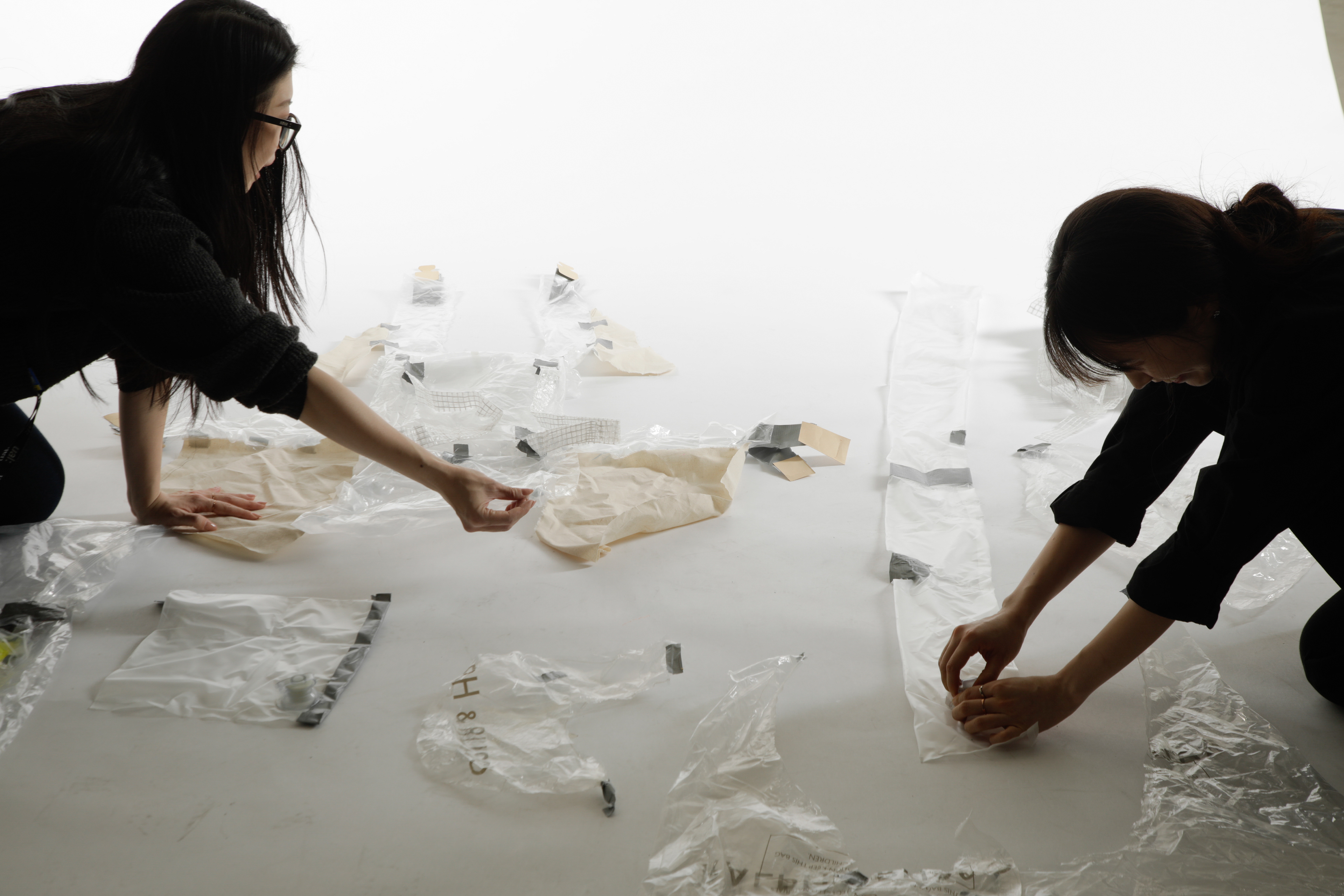
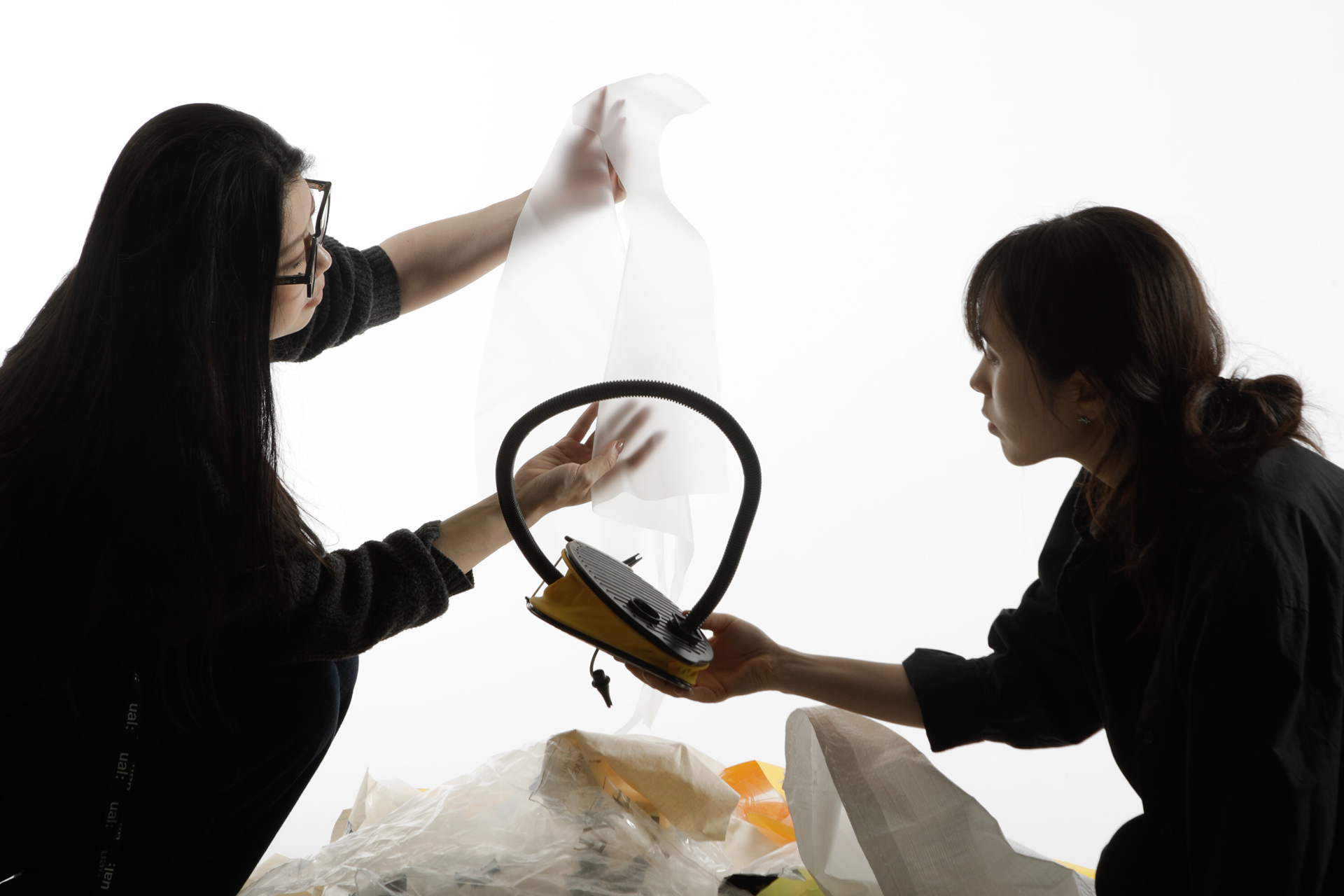
During the Earthsuits project, students were challenged with a speculative brief imagining a future were plastic became scarce or less accessible. Collaborating closely with a leading luxury group LVMH, we explored a wide variety of scenarios, grounded in material science and policymaking, which could impact ways of manufacturing in the next 5 years.
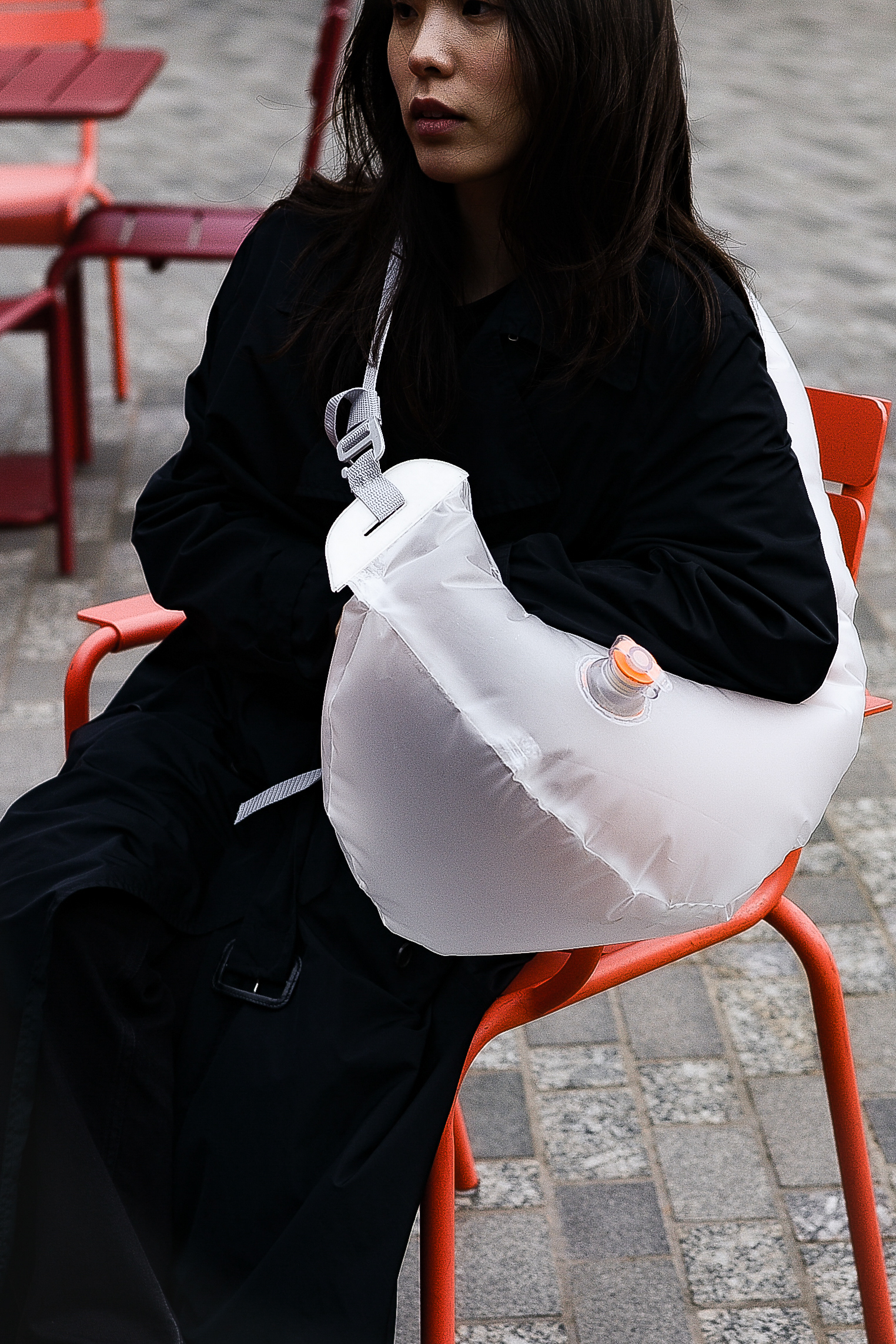
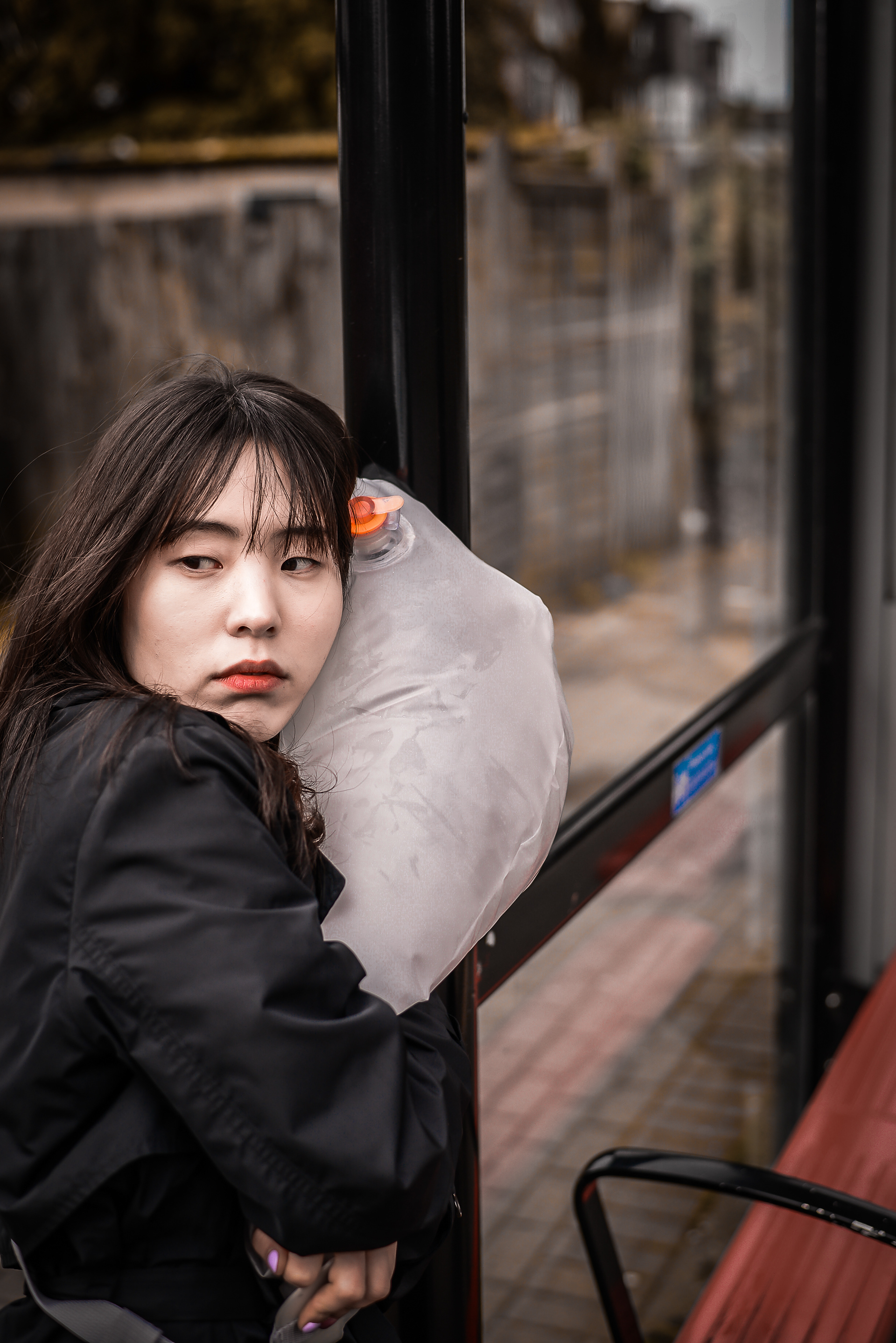
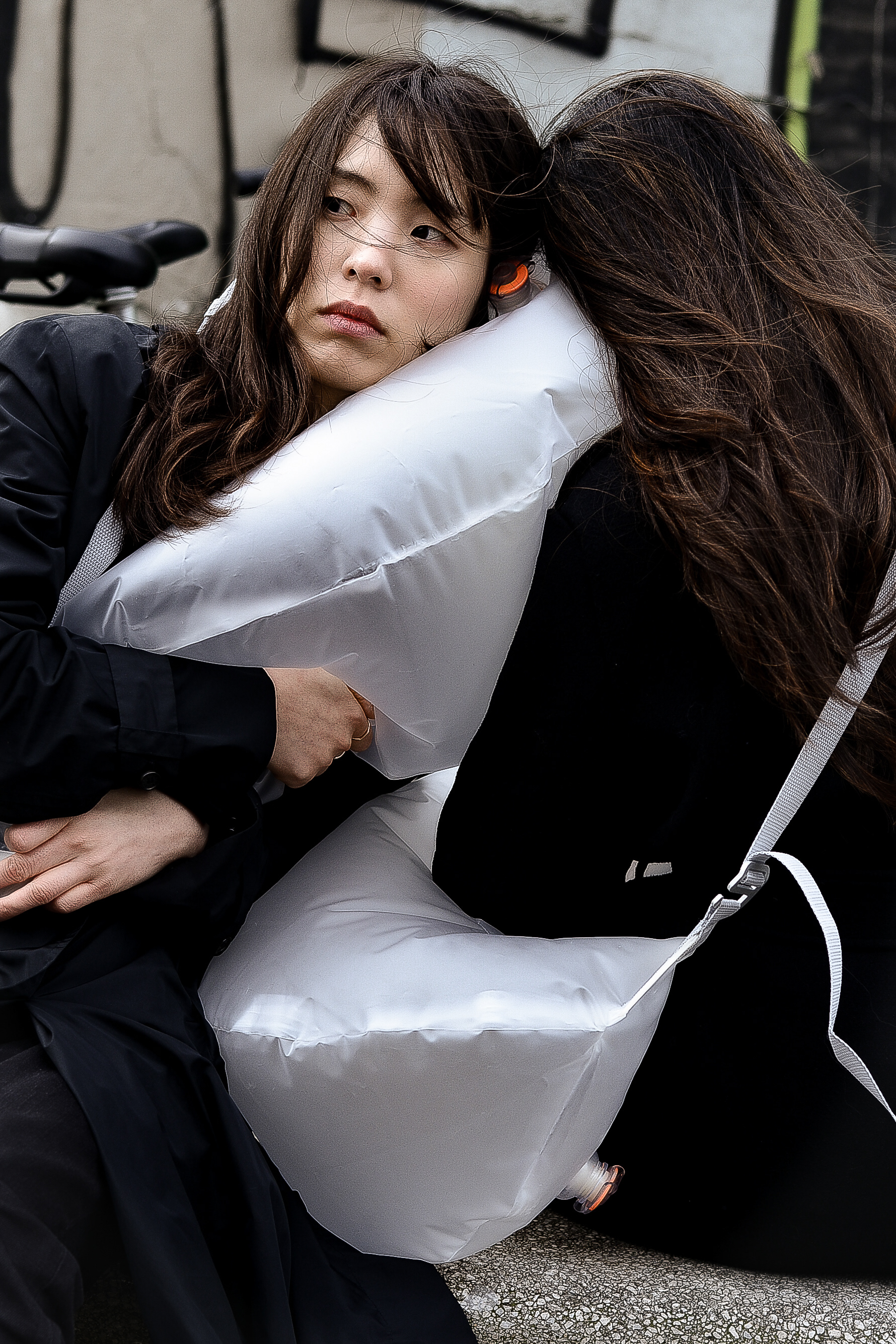
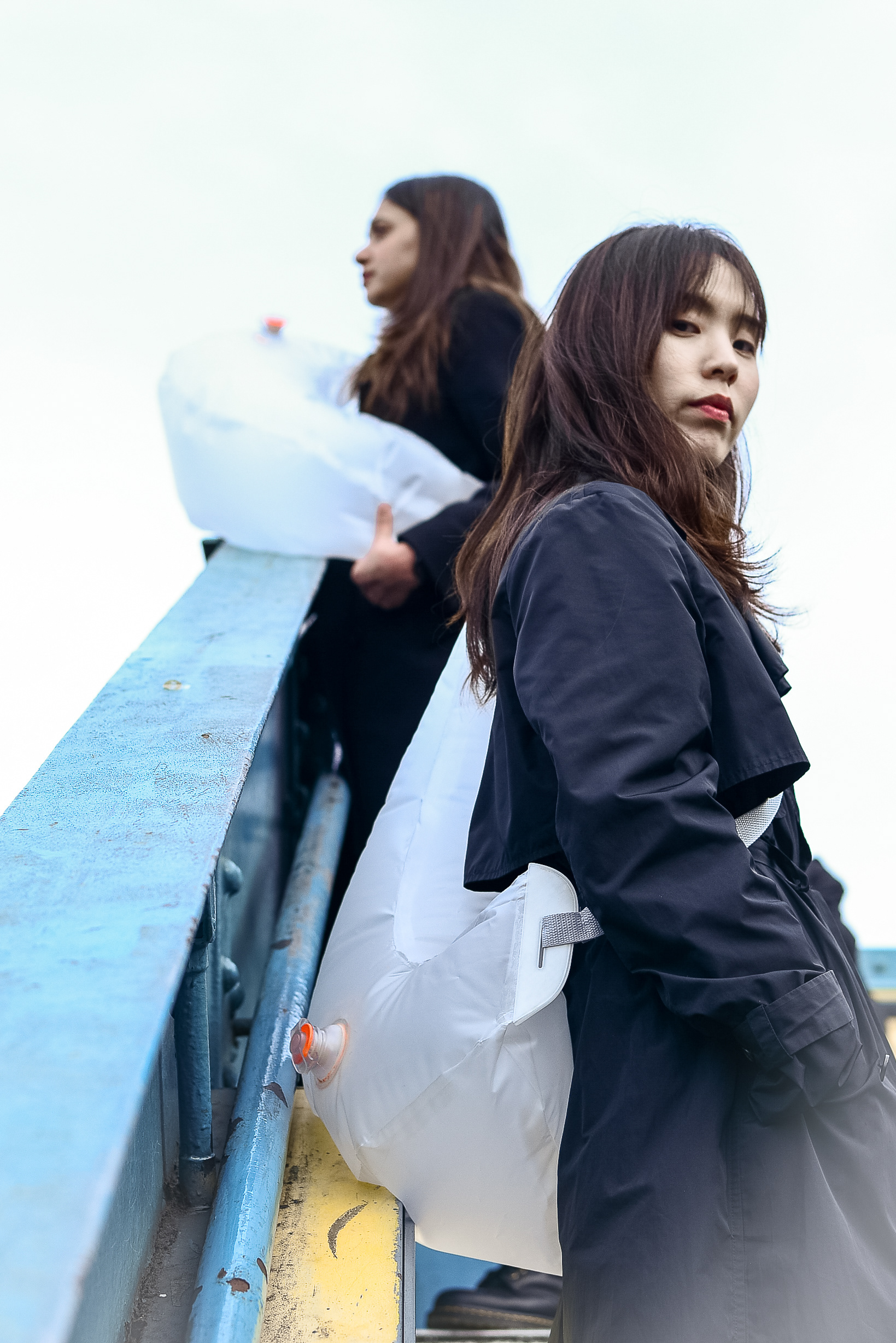
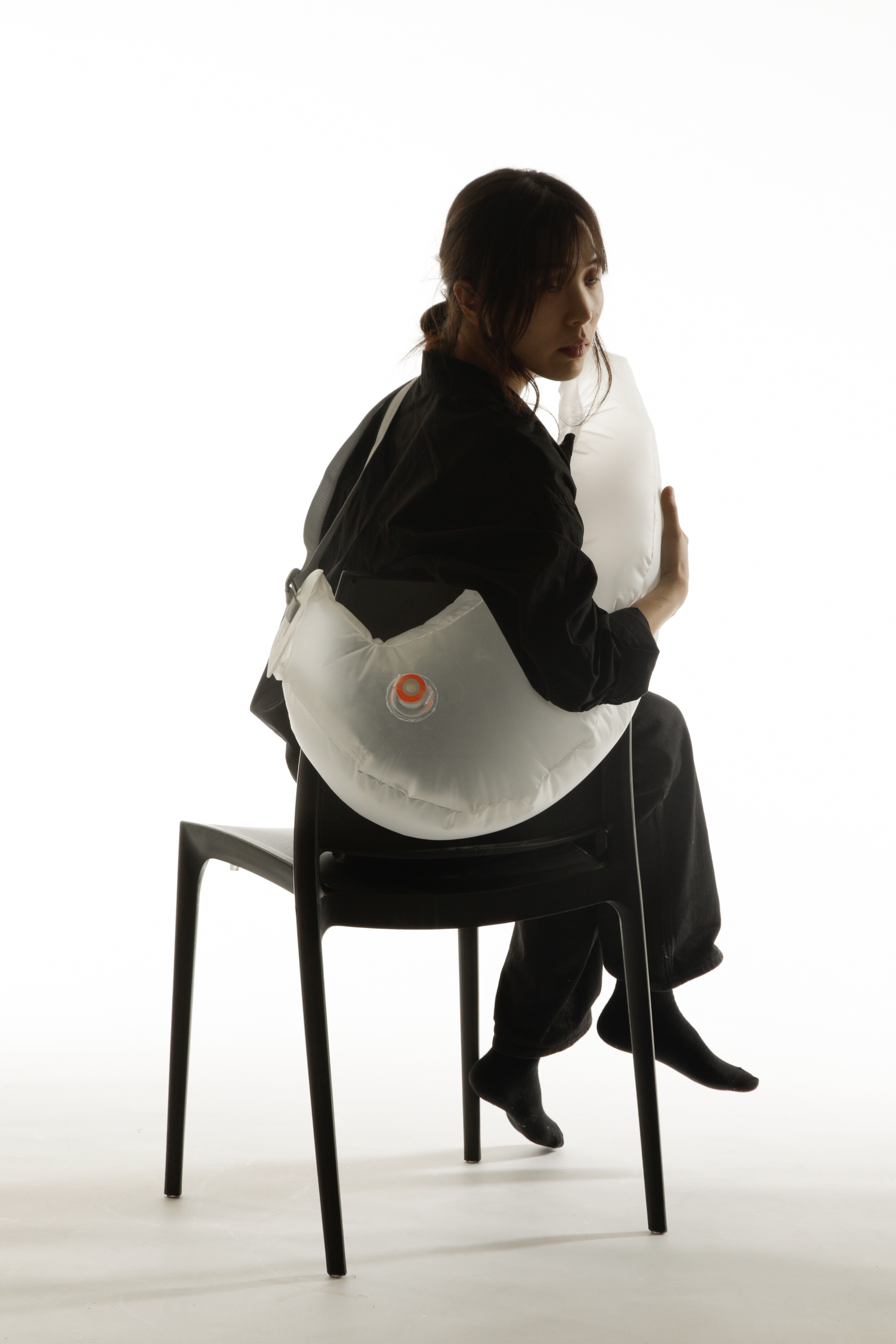
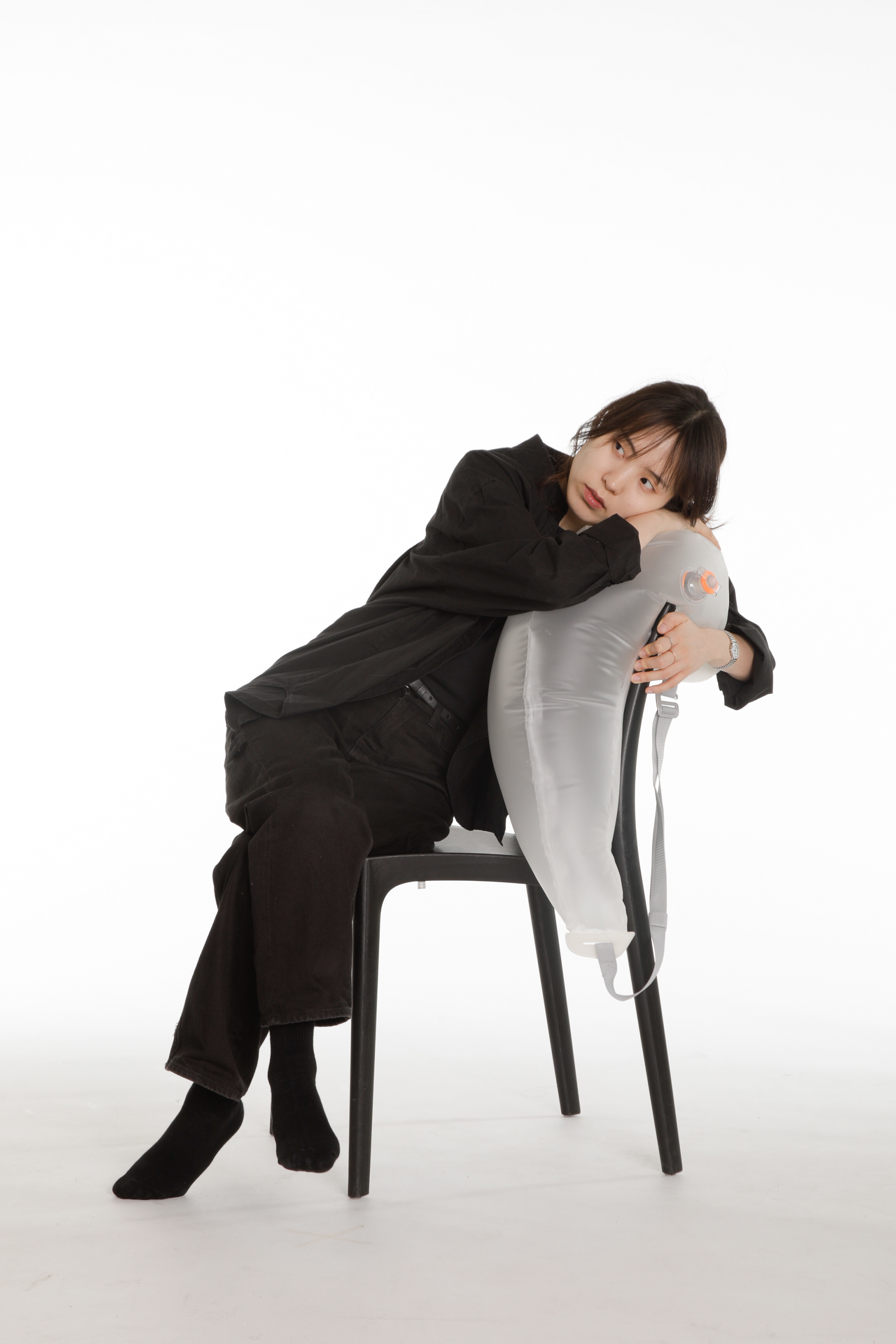
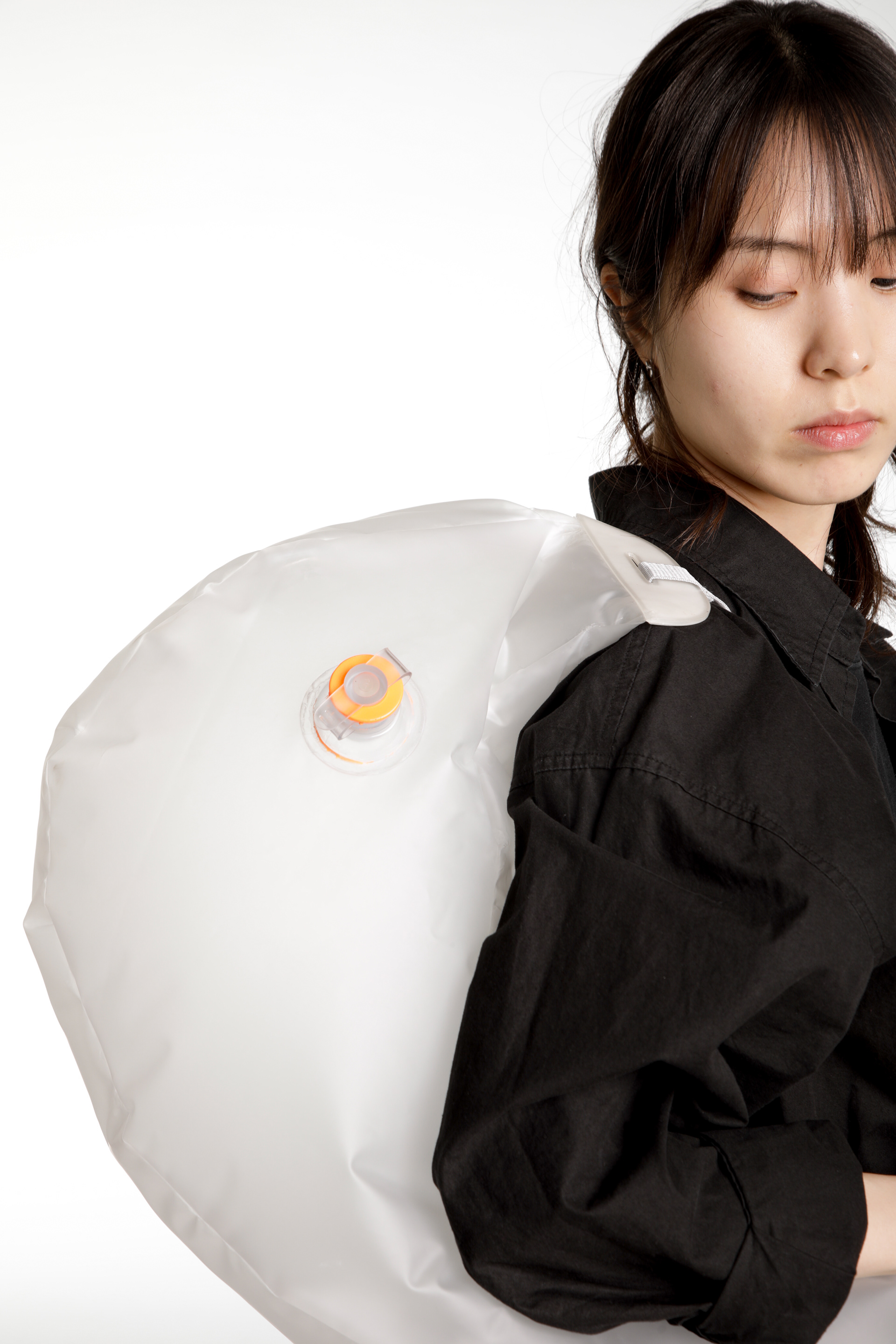
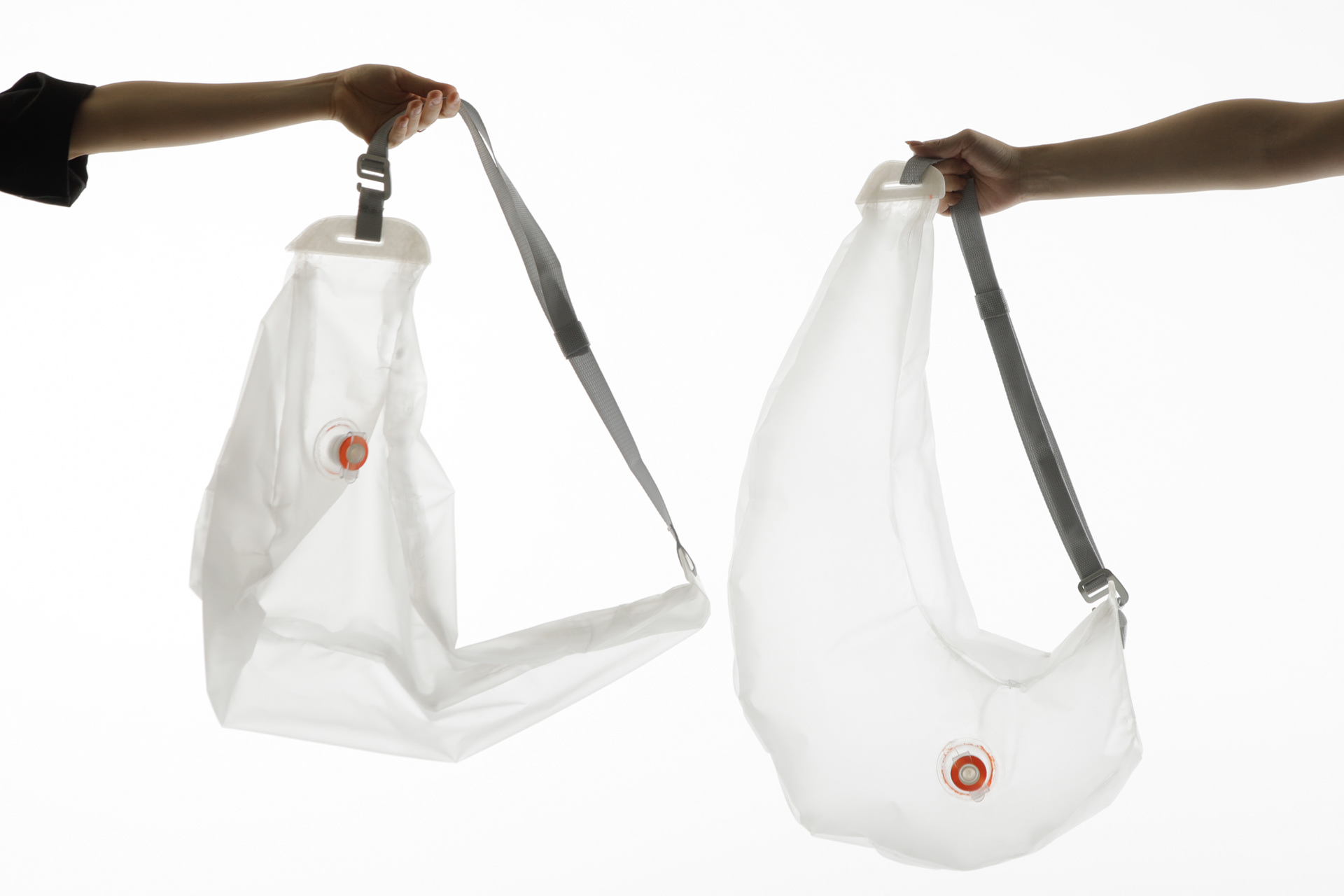
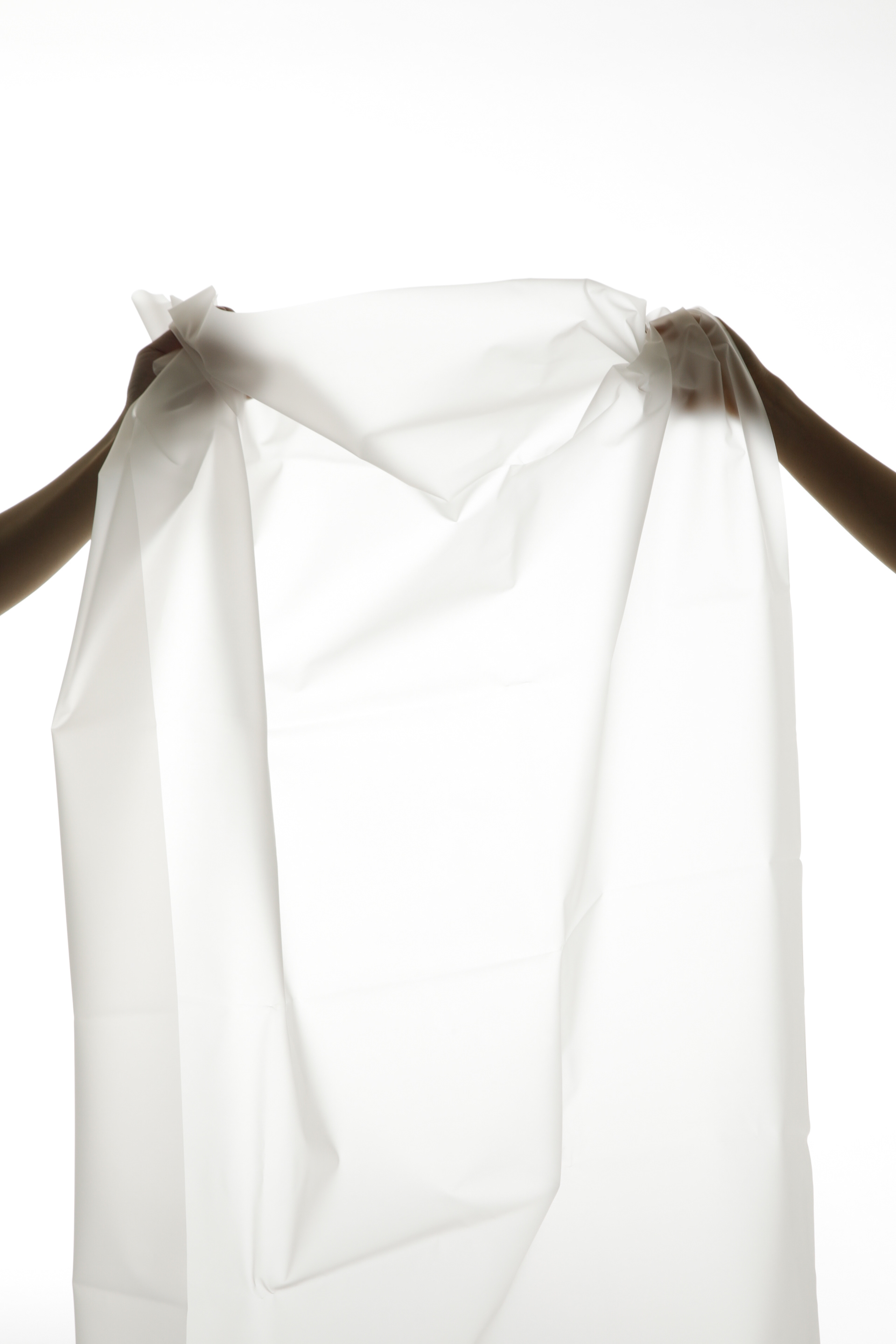
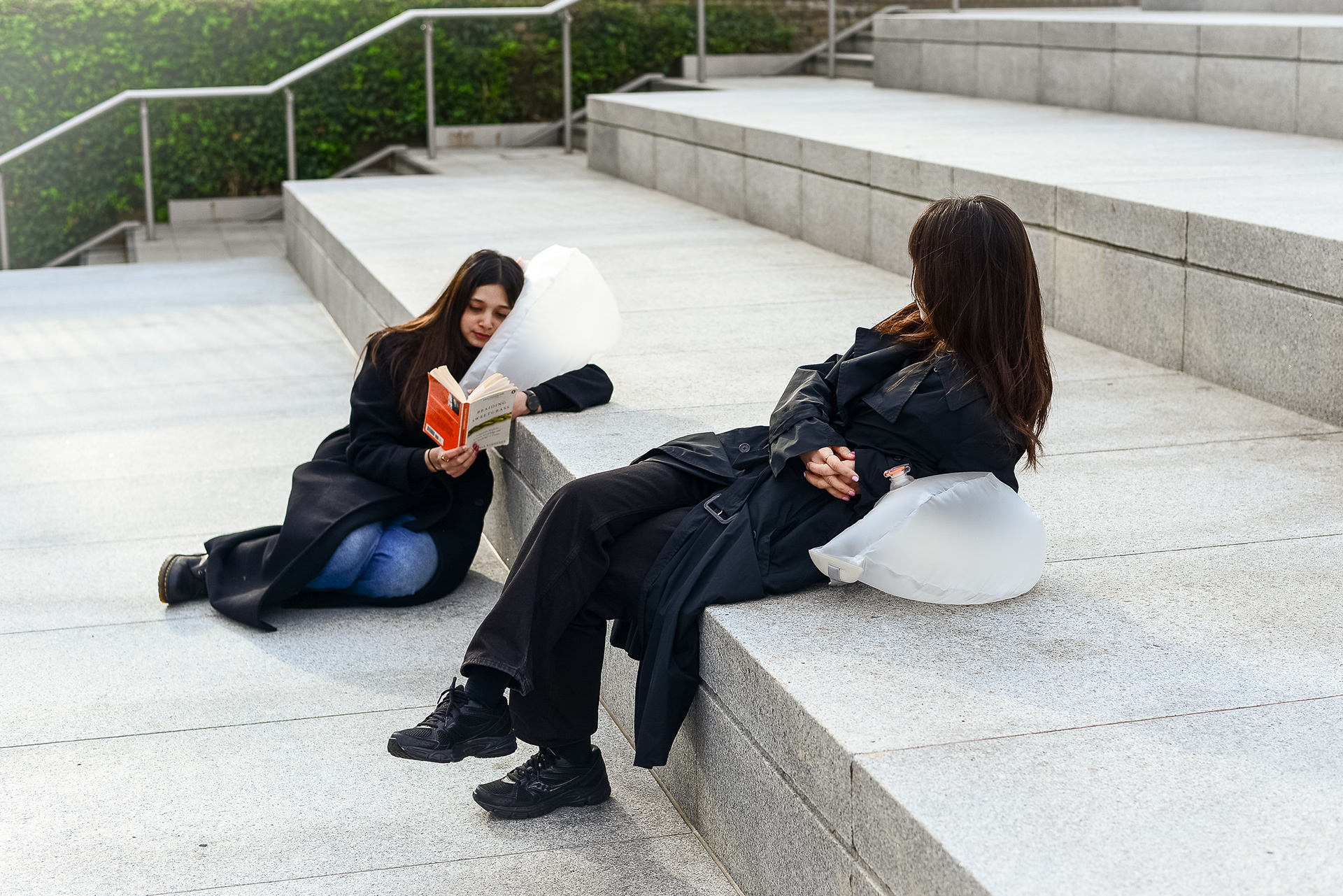
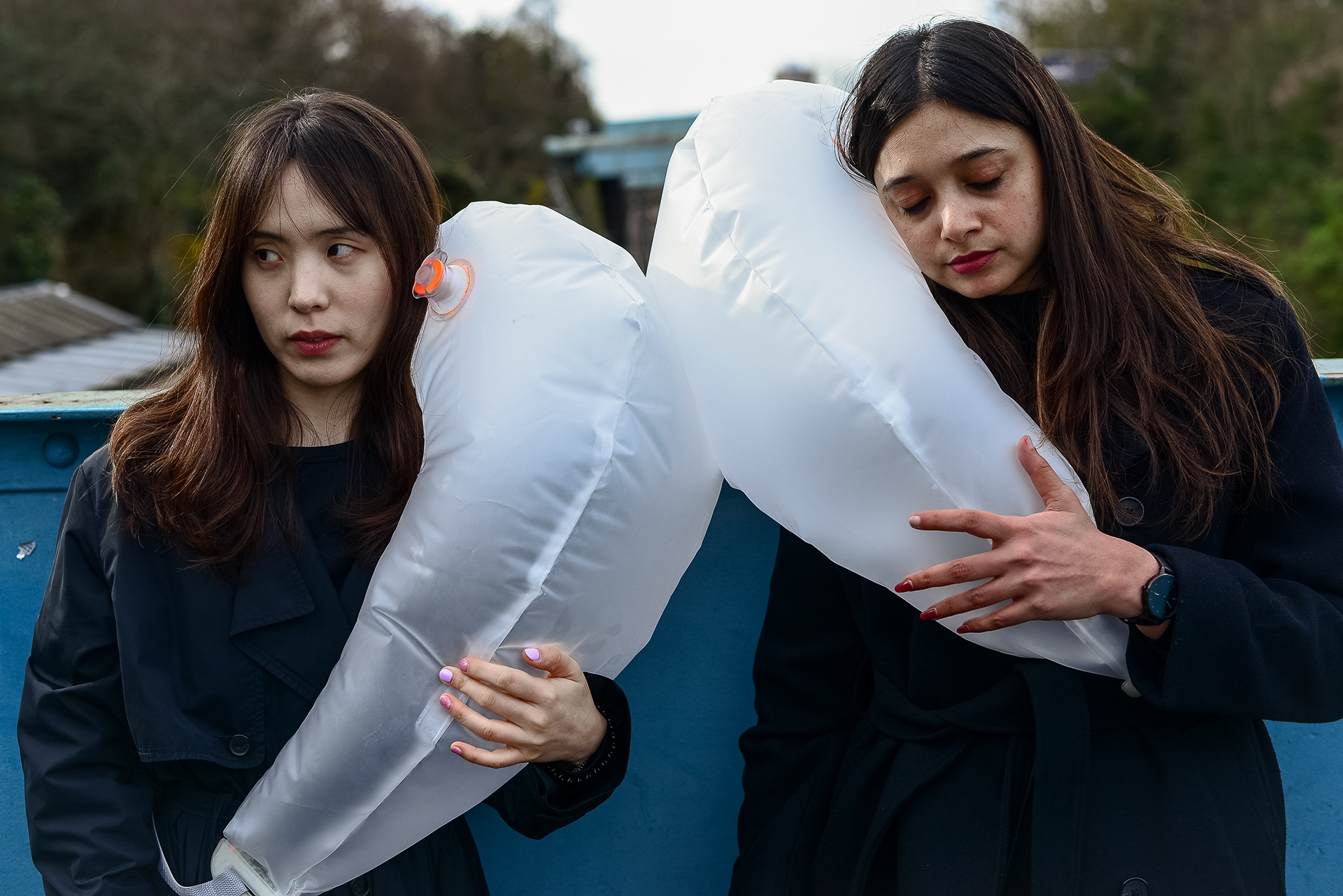
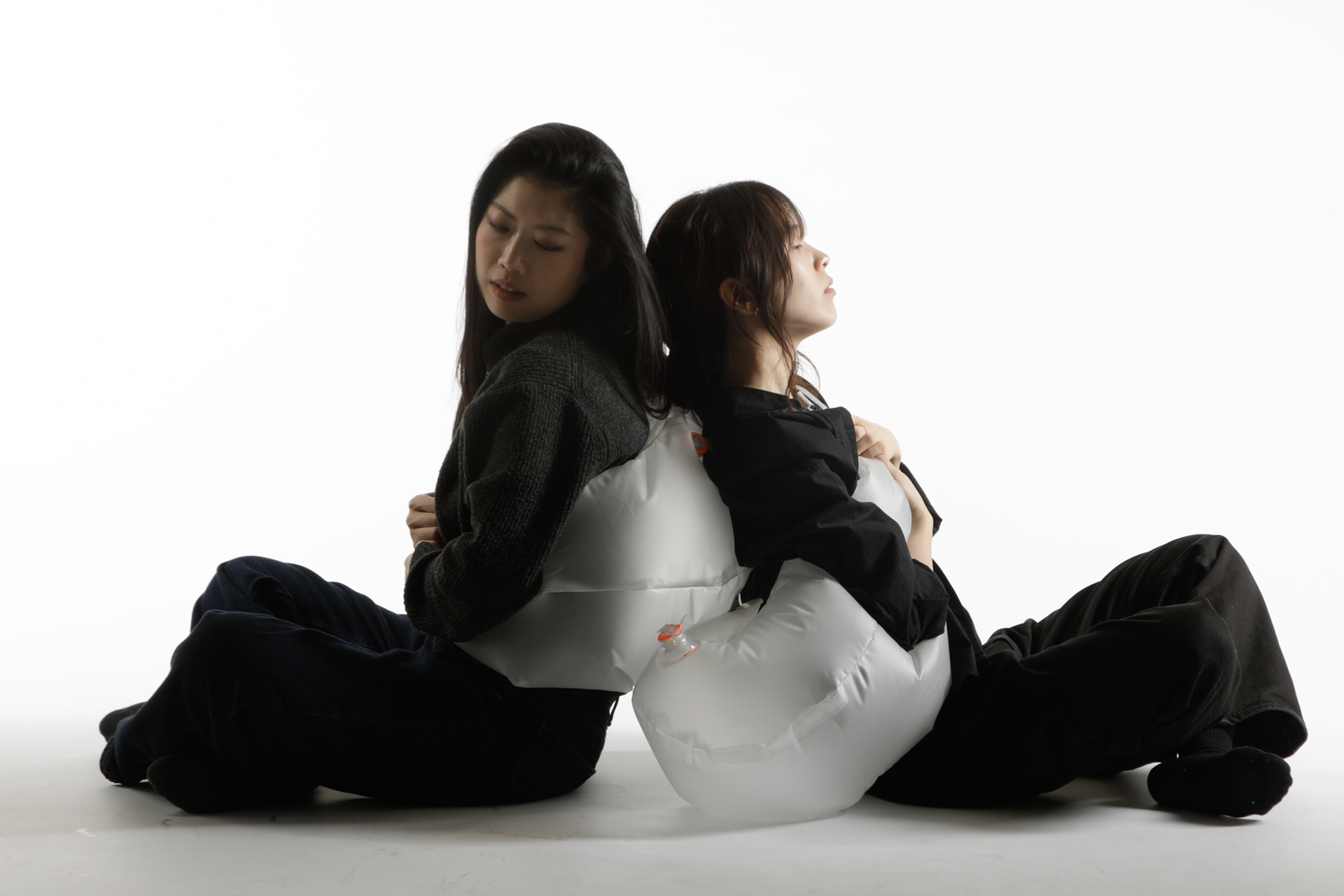
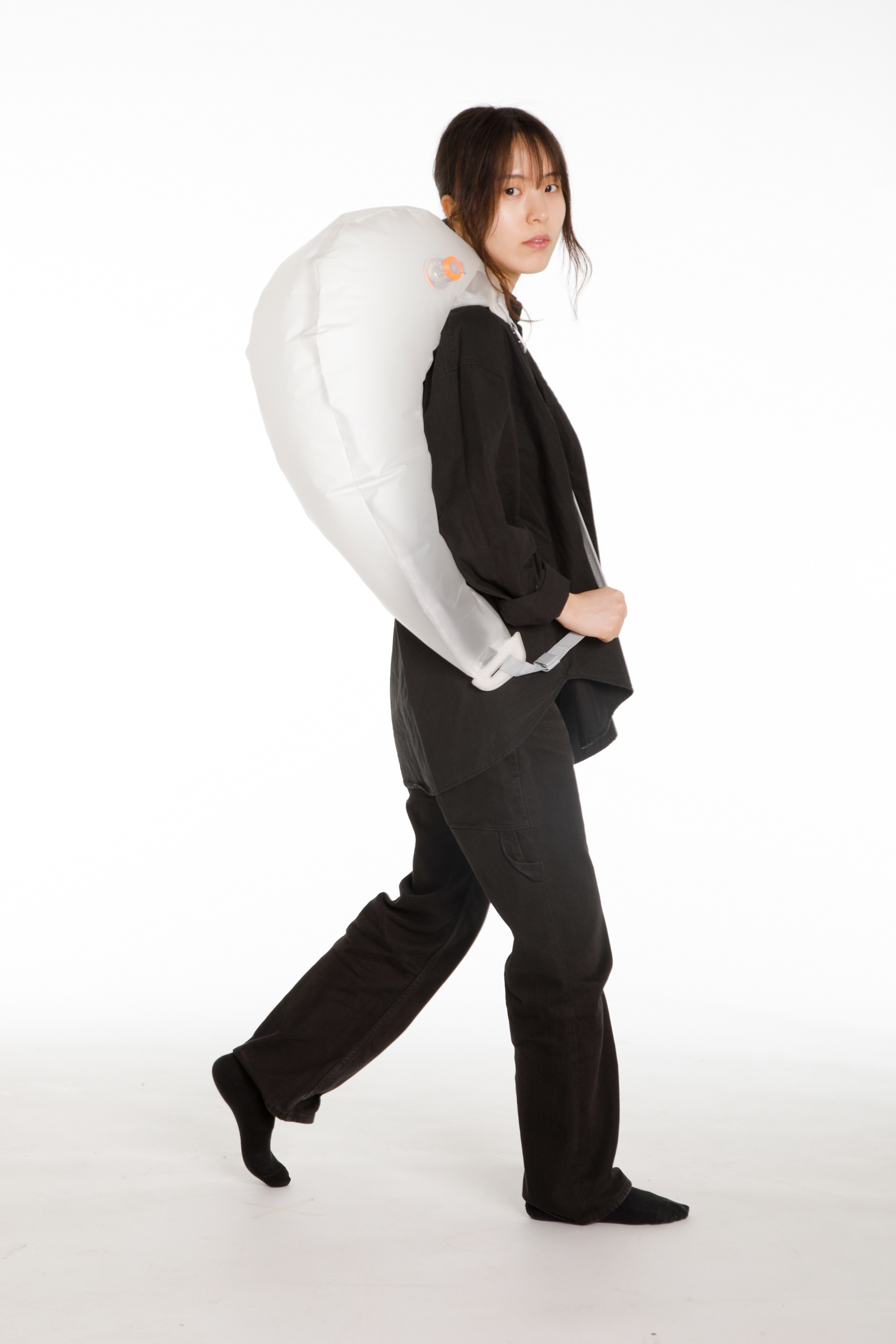
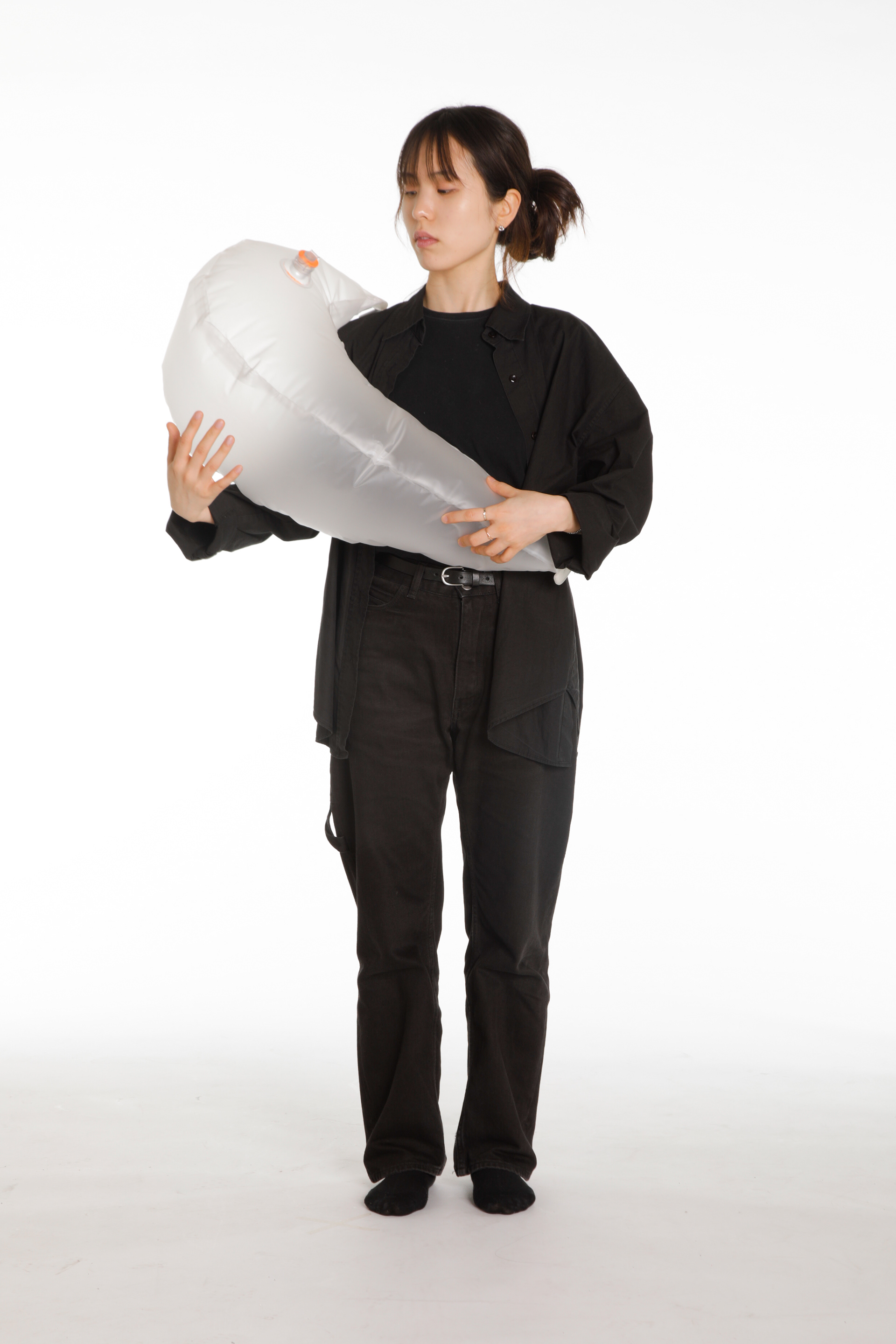
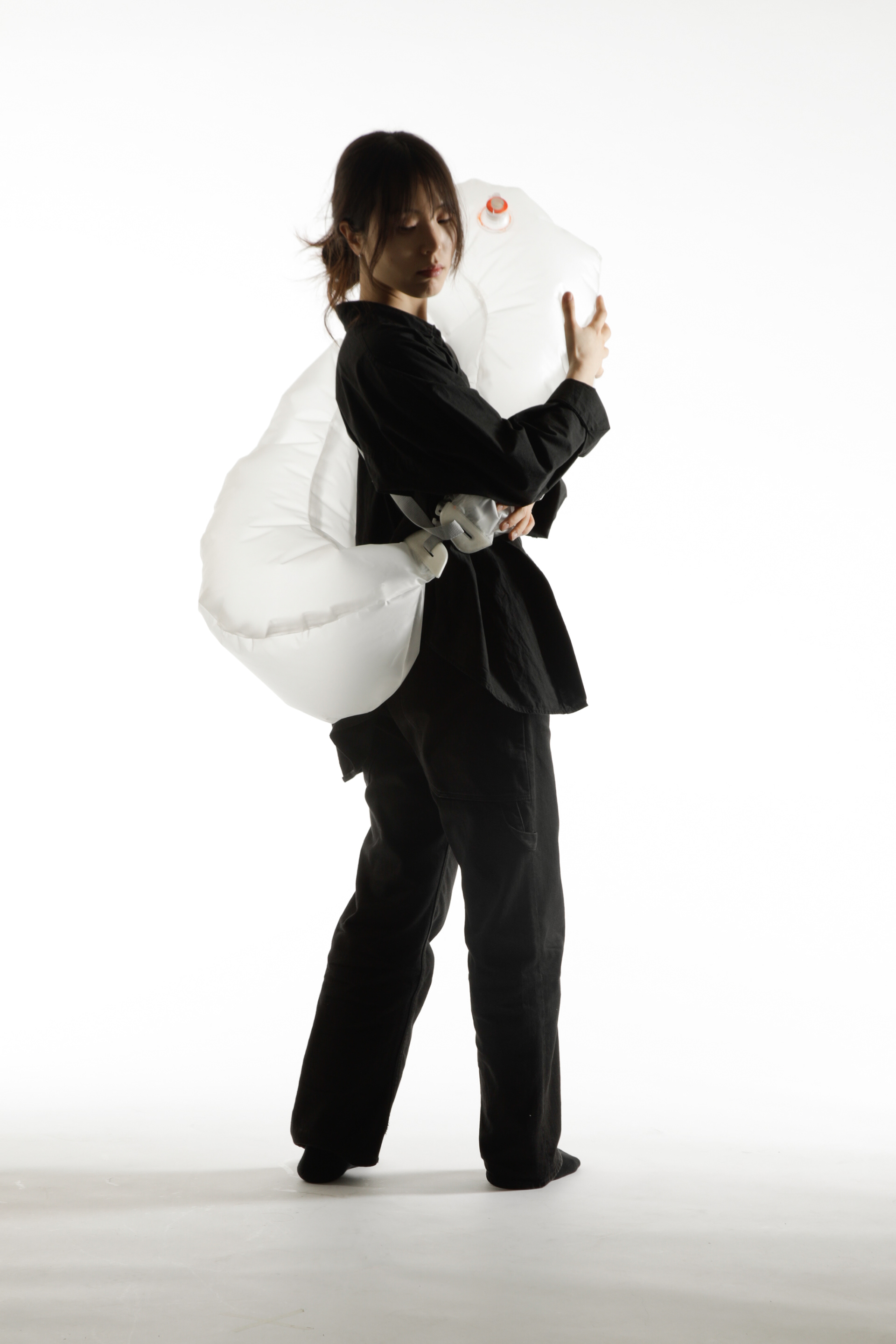
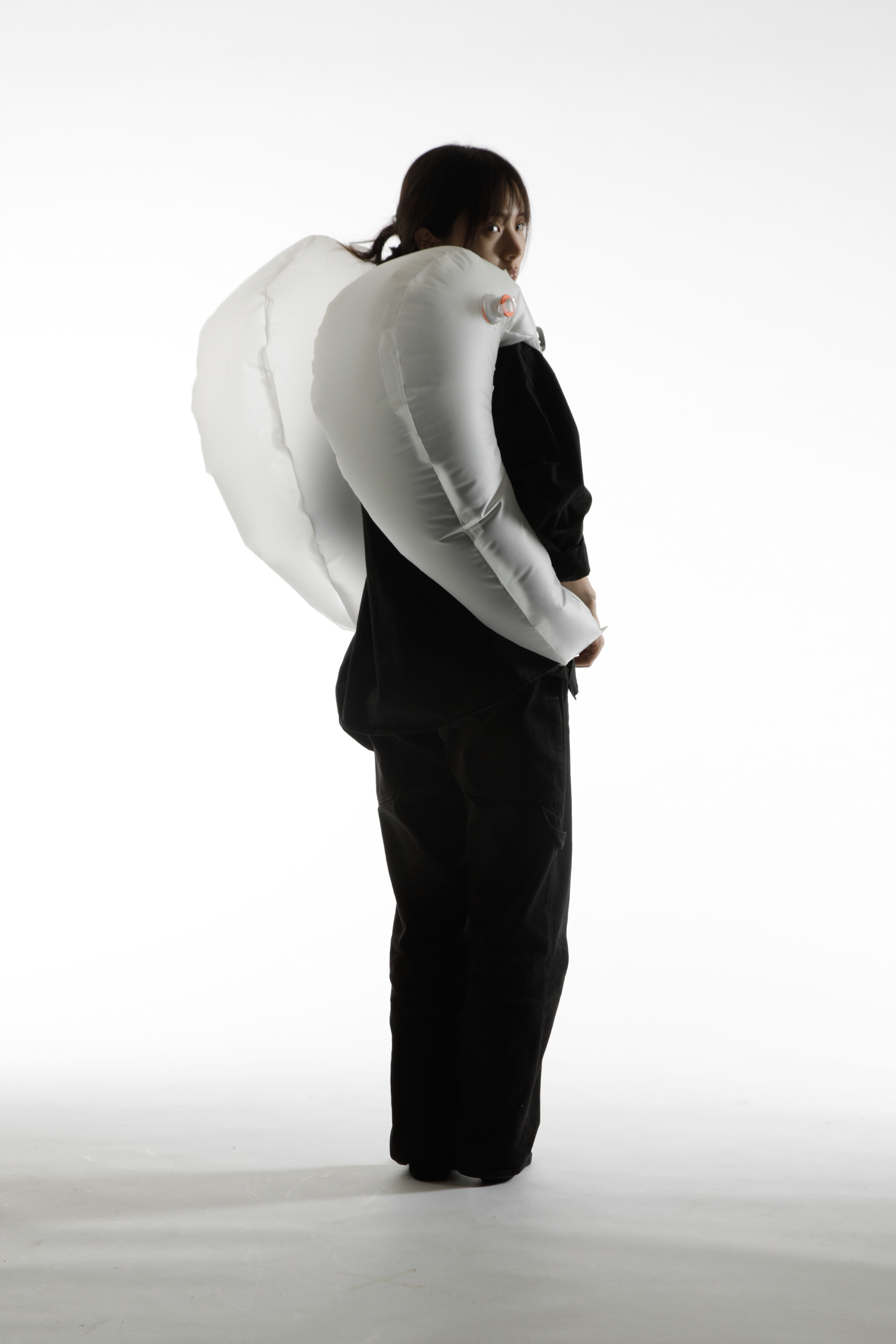
'SoftSpot' is an inflatable wearable that allows individuals to adapt to aging public infrastructure by carrying modular plastic components that stabilise fragmented urban surfaces and create a portable personal boundary.
This project speculates on the urban change provided by plastic scarsity, introducing how recycled plastics could be transformed into wearable memebranes between individuals and ungoverned urban spaces—replacing plastic’s former role as an invisible layer of comfort.
The implementation of the Packaging and Packaging Waste Regulation (PPWR) accelerates plastic recycling across Europe, reorganising plastic markets around mechanical recycling systems. When plastics are recovered and repeatedly reprocessed, polymer quality gradually degrade. Environmental stresses such as UV radiation and heat exposure further accelerate this process, making high-grade plastics increasingly scarce and economically valuable. Public infrastructures made from HDPE and PET—benches, rails and protective surfaces—gradually deteriorate or remain unreplaced.
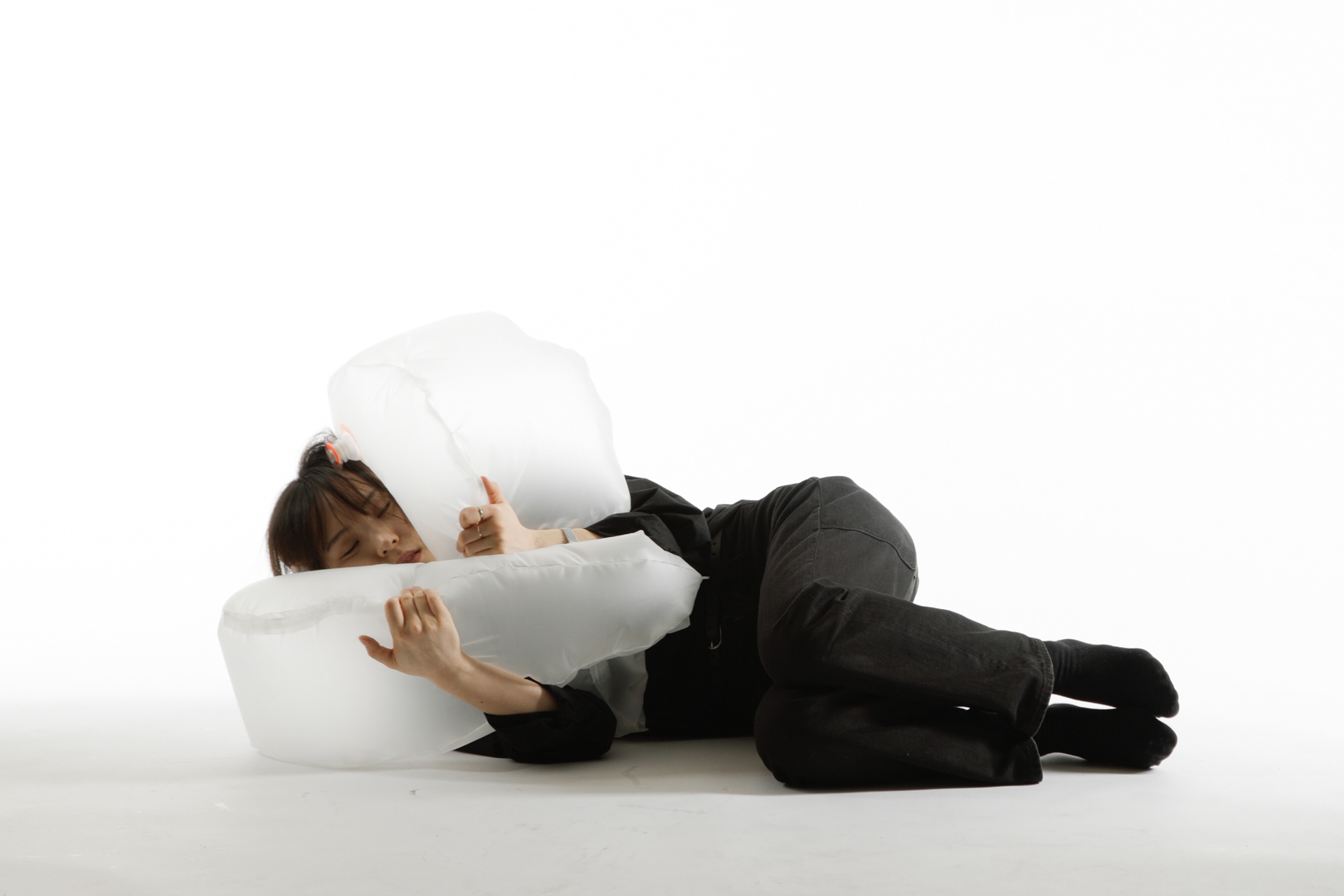
This shift introduces comfort as a new basic luxury, where collective governance decline and infrastructural support moves from shared public systems to materials carried and cared by individuals.
In near future, Park Royal will facilitate large volumes of urban waste, sorting, grading and remanufacture them locally; recycled thermoplastic polyurethane (TPU) circulates through these fabrication networks.
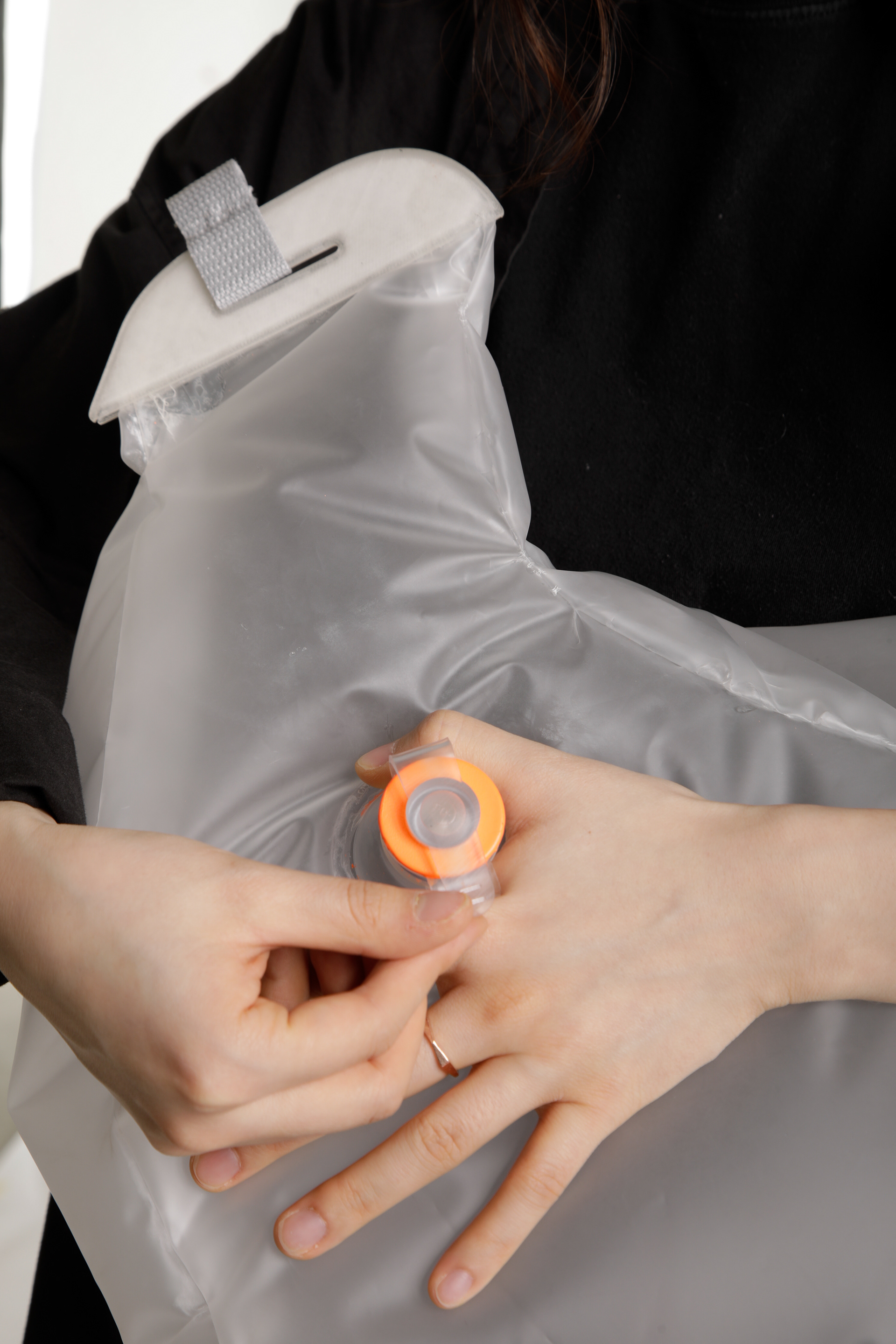
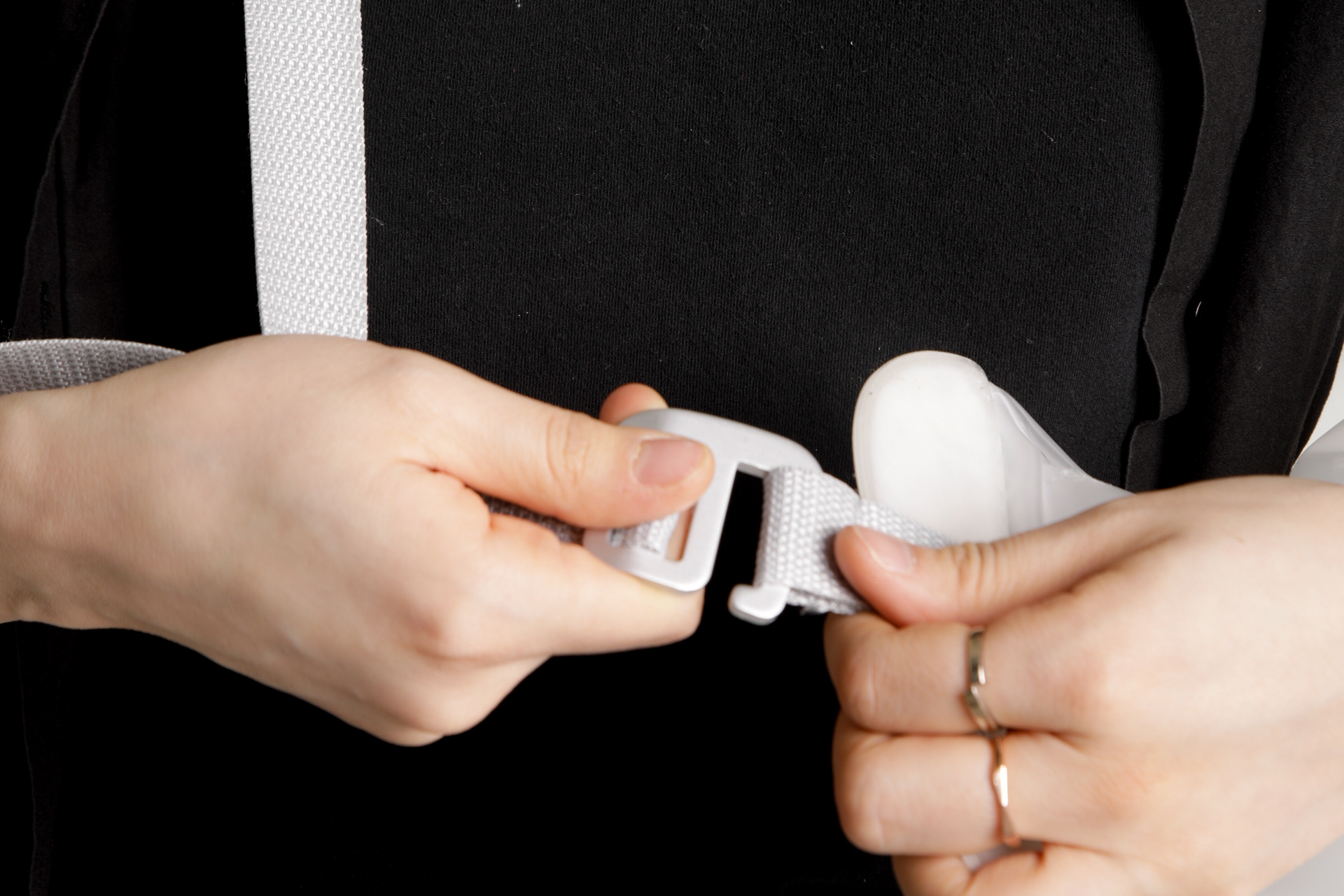
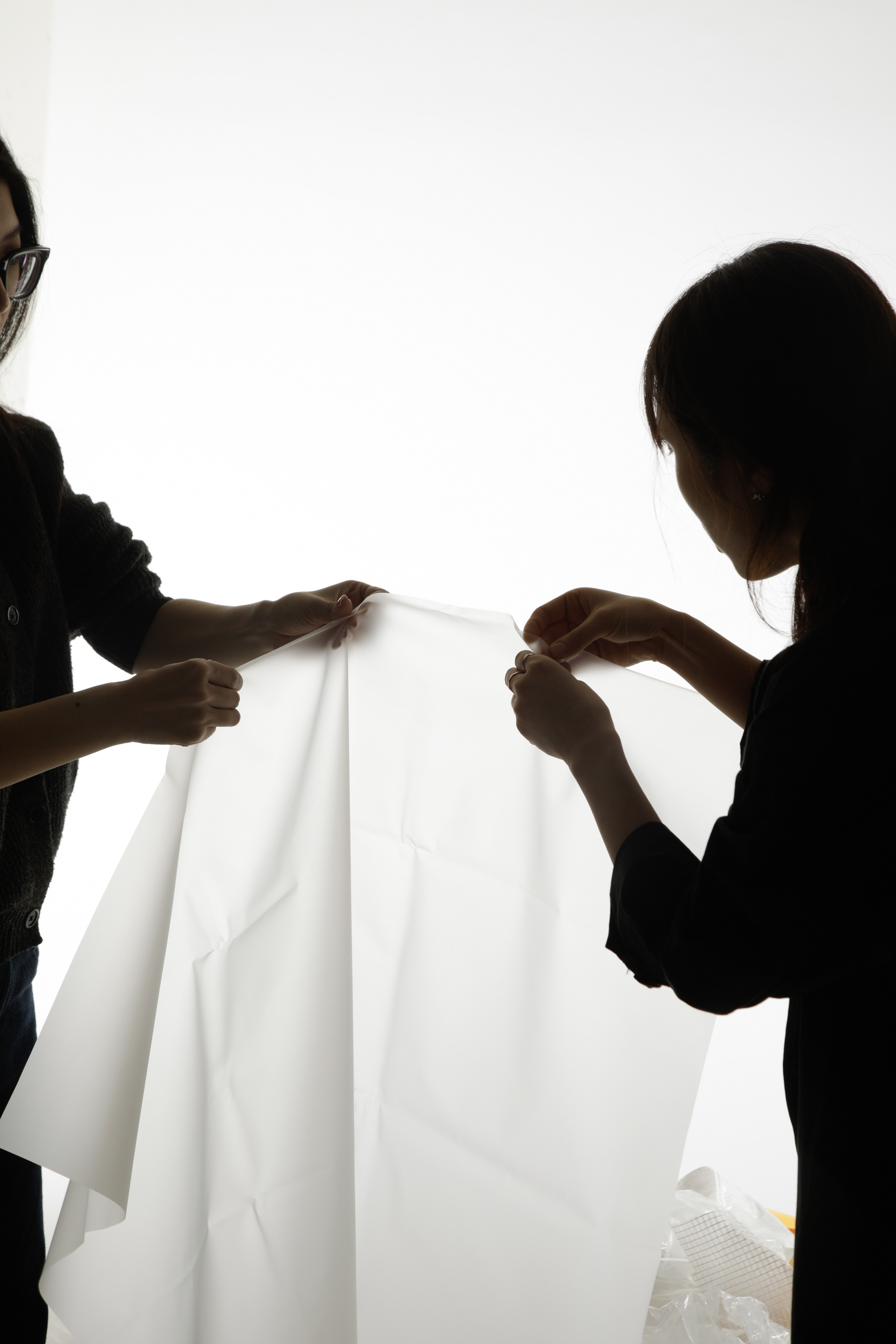
As a product of Park Royal’s recycling workshops, the 'SoftSpot' transforms recycled TPU into a wearable pneumatic membrane, allowing individuals to carry soft spatial support on the body as public plastic infrastructures fade.